

At Eleos Compliance we believe that success brings with it an opportunity to create positive change. While our daily work focuses on helping organizations navigate complex compliance challenges, we are equally committed to supporting initiatives that deliver lasting benefits for communities, ecosystems, and future generations. That is why we are proud to announce that Eleos Compliance, together with the McGough-Colin Foundation will fully fund an ambitious conservation project in Sri Lanka that aims to protect one of the country’s most important wildlife corridors and help safeguard the future of the Asian elephant!
The project will be delivered by Wildlife Conservation International in partnership with local conservation organization Wildlife and Nature Protection Society (WNPS) and government agencies, bringing together international expertise and local knowledge to protect a landscape of extraordinary ecological significance.
Protecting a Landscape Before It Is Lost
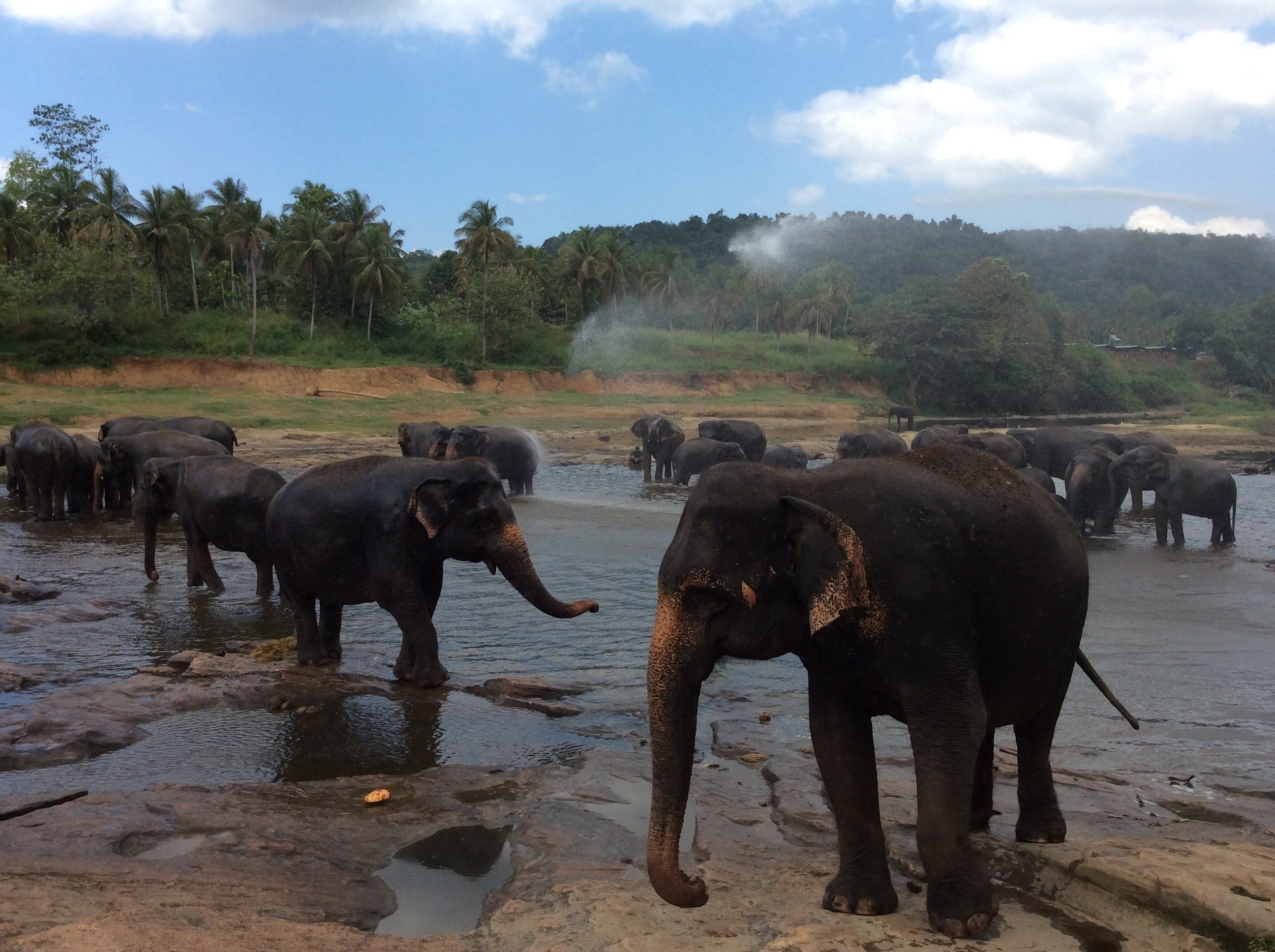
The focus of the project is the Wetahirakanda Corridor, a vital forested landscape connecting Udawalawe National Park and the Yala ecosystem in southern Sri Lanka. This corridor serves as a critical passageway for elephants and other wildlife, allowing them to move safely between two of the country’s most important protected areas. Unlike many regions around the world where wildlife habitats have already become fragmented beyond repair, parts of Sri Lanka still retain connected ecosystems that support natural animal movement. However, increasing development, agricultural expansion, and human settlement are placing these landscapes under growing pressure.
Conservation experts recognize that protecting these remaining connections is far more effective than attempting to restore them once they have been lost. The Wetahirakanda Corridor represents one of those rare opportunities where timely action can secure a critical landscape before fragmentation occurs.
A Practical Solution with Long-Term Impact
Rather than purchasing land, the project focuses on strengthening the protection of approximately 1,500 hectares of existing government forest.
Initial work will establish and clearly define forest boundaries, helping to prevent encroachment and enabling more effective management and monitoring. The project will then support efforts to elevate the area’s legal protection status, ensuring that this important habitat remains protected for generations to come.
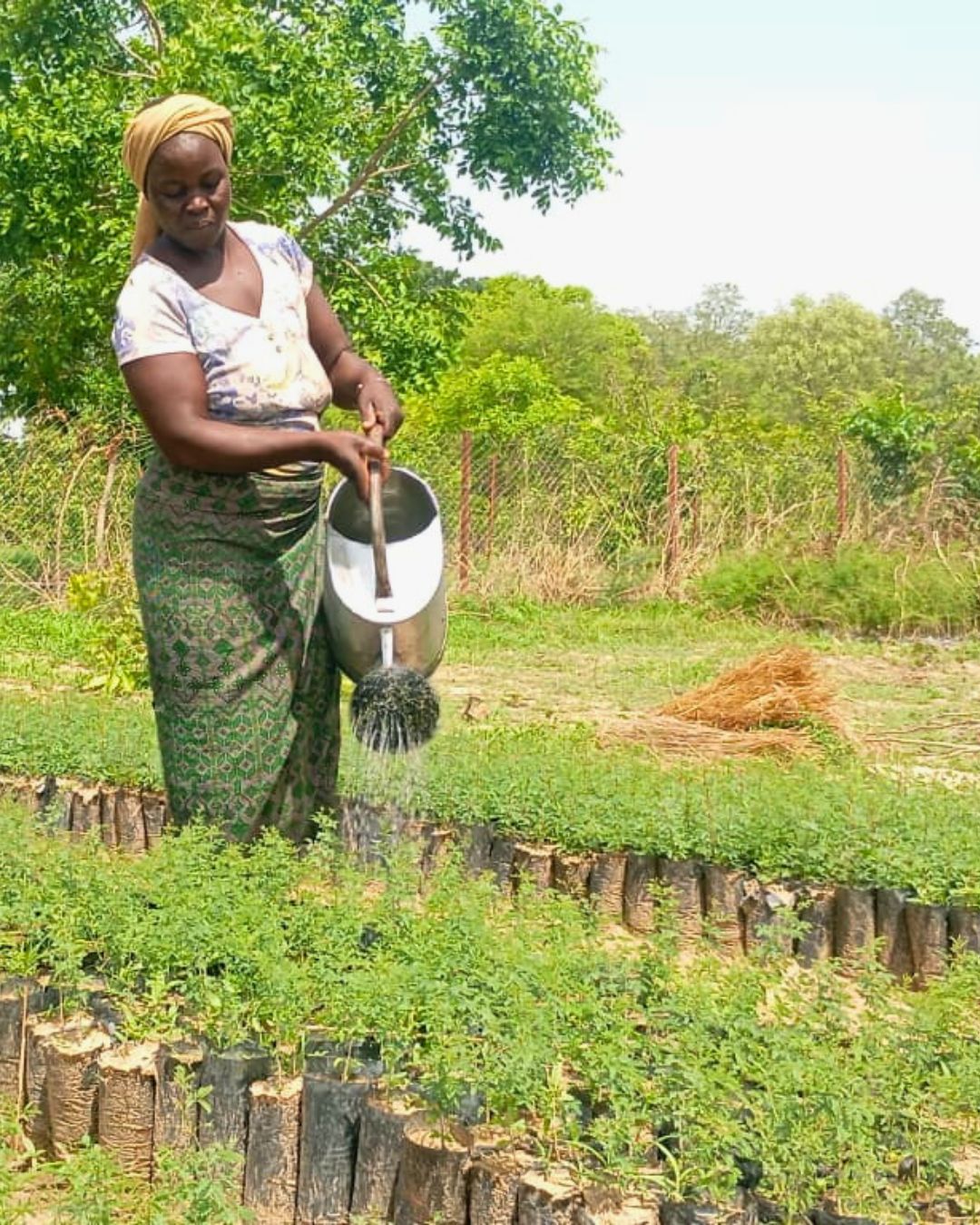
In addition, habitat restoration activities will improve the quality of the forest ecosystem. Invasive plant species have reduced the availability of natural food sources for wildlife in some areas, contributing to increased movement into agricultural land. By restoring native vegetation, the project will help create healthier habitats that better support wildlife while reducing pressure on surrounding communities.
Supporting Wildlife and Communities
A significant challenge facing Sri Lanka today is human-elephant conflict. As natural habitats become fragmented and traditional migration routes are disrupted, elephants are increasingly forced into farming areas in search of food and space. The consequences can be devastating for both people and wildlife. By protecting and restoring this corridor, the project helps maintain safe movement pathways for elephants while reducing the likelihood of encounters between wildlife and local communities. The result is a solution that benefits biodiversity conservation and community wellbeing simultaneously.
Importantly, this initiative is about more than protecting a single species. It is about preserving the integrity of an entire ecosystem and ensuring that natural landscapes continue to function as they were intended.
Building a Model for the Future
What makes this project especially exciting is its potential to serve as a model for conservation efforts across Sri Lanka and beyond.
Wildlife Conservation International and Wildlife and Nature Protection Society (WNPS) have already identified additional corridors that may benefit from a similar approach. By demonstrating that vulnerable forest landscapes can be secured, restored, and granted stronger legal protection, the Wetahirakanda project could help unlock broader conservation opportunities throughout the region. The lessons learned here may ultimately contribute to the protection of much larger connected landscapes, multiplying the impact of the initial investment many times over.
A Partnership for Positive Change
Eleos Compliance and the McGough-Colin Foundation are honored to make this project possible through our shared commitment to creating meaningful and lasting impact.
We are inspired by the dedication of Wildlife Conservation International and its local partners, whose expertise and leadership will ensure that this important work delivers measurable results on the ground.
For us, this project reflects a simple but powerful belief: when organizations work together with a common purpose, they can help solve complex challenges and create positive change that extends far beyond their immediate sphere of influence.
Importantly, the Wetahirakanda Corridor is not a one-time opportunity. Across Sri Lanka and other biodiversity hotspots around the world, there are additional landscapes that could be protected through similar initiatives if funding and support are available. This project demonstrates what is possible when conservation organizations, businesses, foundations, and individuals work together to act before critical habitats are lost.
We hope our support of this project inspires others to learn more about the work of Wildlife Conservation International and consider how they too can contribute to protecting some of the world's most important ecosystems. Every successful conservation project creates momentum for the next one, helping to preserve wildlife, support local communities, and safeguard natural landscapes for future generations.